
Scalpe Pro hair growth serum is an ambiguous search phrase. A dated ingredient record identifies Glenmark Scalpe Pro Anti Dandruff Shampoo, which must not be treated as a leave-on growth serum. Start by confirming the exact product and the problem you want to address: dandruff, ordinary cleansing, scalp moisture or continuing hair loss.
Identify the Glenmark Shampoo Reference
The third-party entry uploaded June 9, 2021 names Scalpe Pro Anti Dandruff Shampoo. The record is old and explicitly notes nonstandard ingredient naming. It does not verify a current Scalpe Pro serum.
This is an identity distinction, not a claim that every present or past product has been catalogued. Match the full manufacturer and regional label of the item you intend to buy.
Keep Dandruff Care Separate from Growth Claims
The historical product description concerns dandruff care and a conditioning shampoo base. That is different from a finished-serum trial measuring new hair growth.
Reducing flakes or improving the comfort of washing can be useful without proving that a widening part will regrow. If your concern is ongoing thinning, decide whether dandruff and hair loss are separate problems rather than expecting one product title to explain both.
For the anti-dandruff active, the zinc-pyrithione scalp-serum guide distinguishes pyrithione zinc from zinc PCA and explains why regional labels matter.
Swipe the table sideways to compare all columns.
| Decision | Documented detail | Purchase implication |
|---|---|---|
| Identity | Historical Glenmark shampoo record | Current serum identity unresolved |
| Actives | 2021 list, nonstandard nomenclature | Verify current regional package |
| Care | Dandruff versus moisture versus loss | Different goals need different evidence |
Read the Historical Active Names Cautiously
The 2021 list includes zinc pyrithione, piroctone olamine and climbazole, alongside cleansing and conditioning ingredients. Their presence is a statement about that historical transcription, not a verification of today’s regional formula.
Do not infer concentrations, current regulatory status or suitability in another country from the old list. A pharmacist or the current local package should resolve which active ingredients the supplied product contains and how it is intended to be used.
For recurring flakes, choosing a scalp serum for dandruff compares labeled treatment roles with separate dry-scalp moisturizing care.
Do Not Transfer Shampoo Exposure to a Serum
A wash product is used under its own contact and rinse directions. A leave-on serum has a different exposure pattern. The amount and timing for one should not be copied to the other.
The historical entry is not a complete current use leaflet. This guide therefore does not prescribe a Scalpe Pro serum dose or an exact shampoo contact time that was not verified from the current package.
For the separate everyday-care choice, review the 100ml Ginger Shampoo for Thinning Hair.
Compare Ordinary Wash and Moisture Steps
These GinGrowth products are not equivalents of a medicated anti-dandruff product. GinGrowth sells the two products below.
Swipe the table sideways to compare all columns.
| Detail | 100ml Ginger Shampoo for Thinning Hair | 40ml Ginger Hair Tonic for Scalp & Roots |
|---|---|---|
| Format | Rinse-off liquid cleanser | Water-based dropper tonic |
| Ingredient highlights | Ginger, coconut oil and Polygonum multiflorum highlighted in the product materials. | Ginger extract, glycerin, sodium PCA and panthenol, alongside aqua, in the product artwork. |
| Application | Wet hair and scalp, lather, massage gently with fingertips and rinse thoroughly. | Part hair, apply a small amount, massage gently for 2–3 minutes and leave on. Follow the current bottle for frequency. |
| Reason to compare | Choose for ordinary cleansing of oil and everyday buildup, with a softer-hair focus. | Choose for a larger dropper format with humectant and conditioning ingredient highlights. |
View 100ml Ginger Shampoo for Thinning Hair or compare 40ml Ginger Hair Tonic for Scalp & Roots. Review the current product page for price and package details.
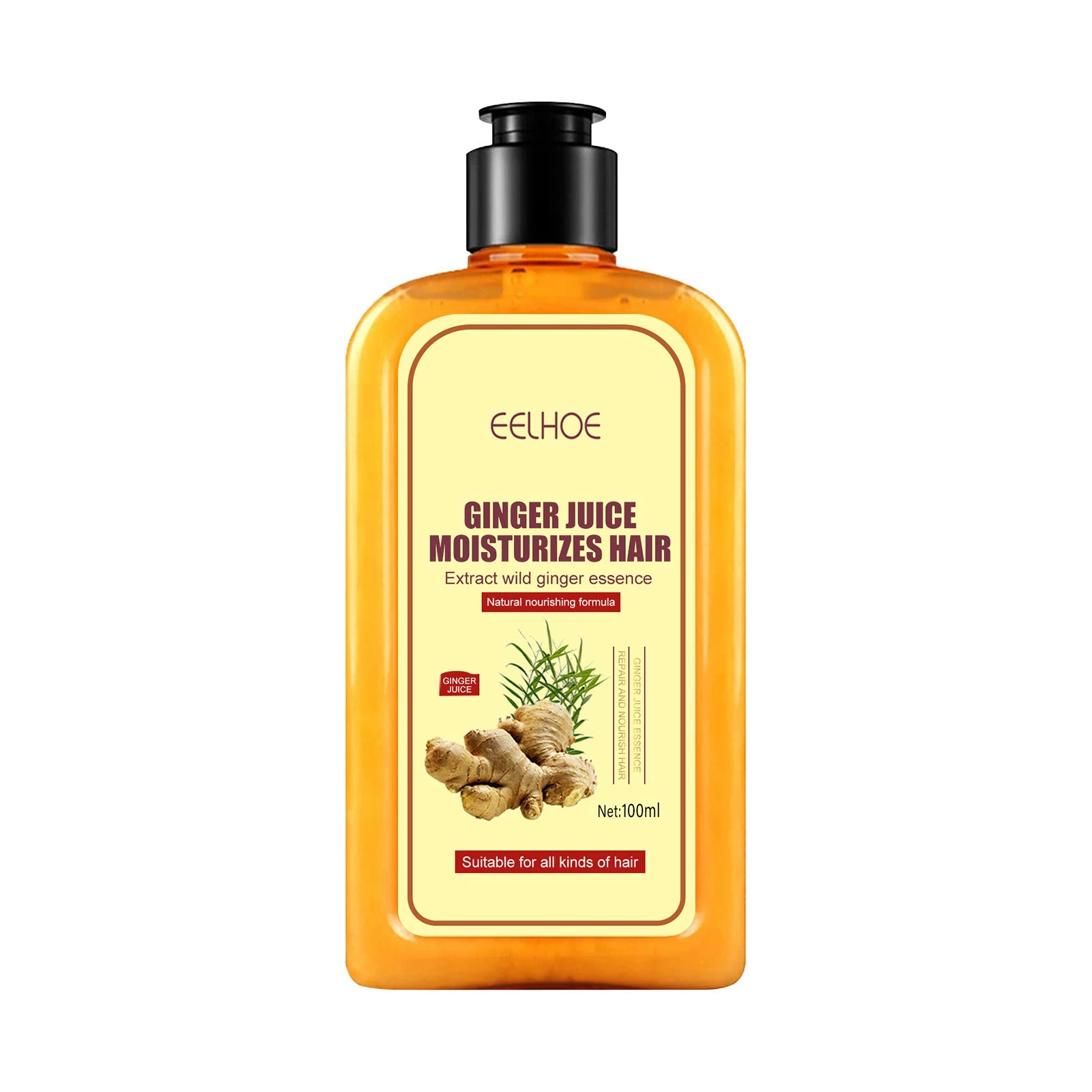
This shampoo belongs in the wash step. Its purpose is scalp cleansing and softer-feeling hair, rather than a leave-on scalp layer. The highlighted ingredients are not a complete concentration statement. If you use a medicated shampoo or a specific pre-shampoo treatment, keep its directions in place and decide whether an additional cleanser is necessary before adding another bottle.
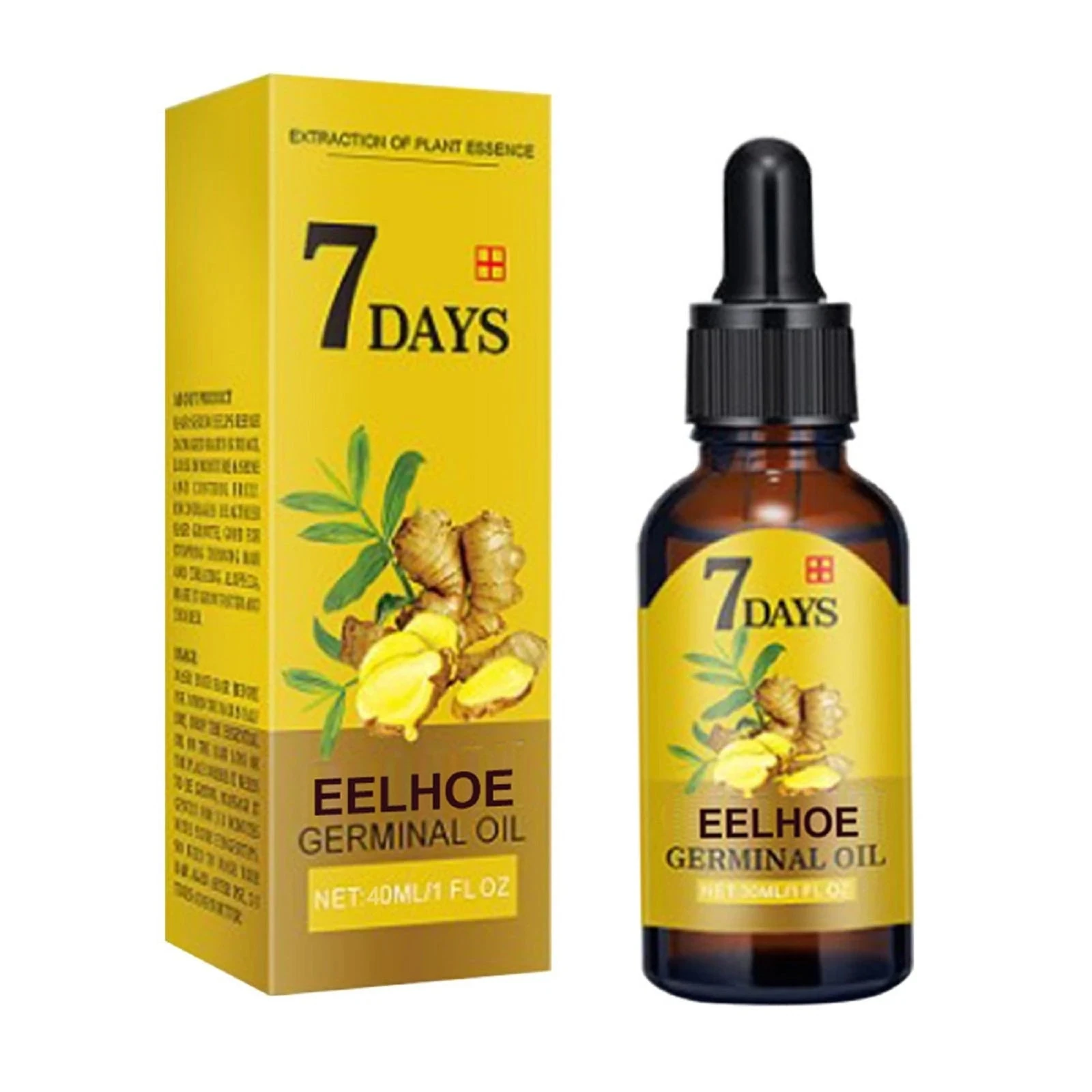
Glycerin and sodium PCA are moisture-binding ingredients, while panthenol is used for conditioning. The highlighted ingredient graphic is not a percentage breakdown. The word tonic describes this product choice; it does not establish a stronger concentration than the smaller essence. Compare the ingredients you prefer and whether direct dropper placement feels convenient in your routine.
Check Conditioning and Cooling Ingredients
The old list also contains amodimethicone, polyquaternium-10, menthol, menthyl lactate and perfume. These details help distinguish conditioning or sensory features from the product’s intended dandruff role.
Cooling is not a measure of hair growth, and a conditioning claim does not guarantee that every scalp will feel comfortable. Stop a product that worsens symptoms and review the exact package with an appropriate professional.
Choose a Routine from the Actual Problem
For dandruff, the AAD recommends attention to the selected shampoo’s directions. For ordinary buildup, a routine cleanser may be enough. For a dry-feeling scalp, a separate moisture step may be relevant.
These decisions are not a ladder in which more products always produce better results. Start with the job that remains unresolved and avoid duplicating treatments merely because their brand names differ.
Compare the GinGrowth Wash and Moisture Steps
GinGrowth sells the shampoo and tonic below as ordinary care. The shampoo is not presented as an equivalent of the historical Scalpe Pro anti-dandruff formula, and the tonic does not inherit an anti-dandruff active or growth claim.
If you already use a prescribed or pharmacist-recommended scalp product, keep those directions intact. An optional cosmetic should be added only for a separate need and with compatible use instructions.
Ask for a Complete Regional Label
A useful seller response includes the exact product name, manufacturer, active ingredients where applicable, full ingredients, instructions and package size. It should refer to the item actually shipped.
An old online ingredient list can help you notice a difference, but it cannot resolve whether the new bottle is a reformulation, another regional version or a mislabeled listing. Clarify those details before following old advice.
Seek Assessment for Continuing Loss
The AAD’s hair-loss guidance explains why the cause determines treatment. Persistent thinning, patches or loss accompanied by pain and inflammation deserves assessment rather than an assumed cosmetic growth regimen.
Bring the product name and a timeline of changes. That helps distinguish a scalp condition, irritation and a separate pattern of loss without assigning every symptom to dandruff.
Frequently Asked Questions
Is the verified Scalpe Pro reference a growth serum?
No. The dated record names an anti-dandruff shampoo.
Does the 2021 list confirm the formula in every country today?
No. Match the current regional package and seek local professional advice where needed.
Can the GinGrowth tonic replace an anti-dandruff medicine?
No equivalence is established. Its role here is ordinary moisture.
Choose an Identified Product and a Defined Goal
A useful comparison ends with a bottle whose label you can verify and a result appropriate to its category. Keep the historical Scalpe Pro information attached to the shampoo, use current instructions for any purchase and treat ongoing hair loss as its own assessment question.
Choose the care role and formula that match your routine.
Sources and Product Information
- glenmark Scalpe Pro Anti Dandruff Shampoo ingredients (Explained) — Third-party shampoo record uploaded June 9, 2021; current formulation and regional status not established.
- AAD: Hair loss diagnosis and treatment — Guidance checked October 1, 2026; not a trial of the cosmetics compared here.
- AAD: Causes of scalp itch — Guidance checked October 1, 2026.
GinGrowth product details were checked October 1, 2026. This guide compares published information and current product specifications; it does not report a GinGrowth clinical trial or personal use test.