
Soap can age and deteriorate, but there is no single expiration period that applies to every bar or liquid formula. Start with the manufacturer's date, after-opening guidance and storage instructions. A soap that still makes bubbles has not passed a safety or quality test. If the product has an unusual odor, suspicious growth, unexplained discoloration or a major texture change, stop using it and replace it or ask the manufacturer.
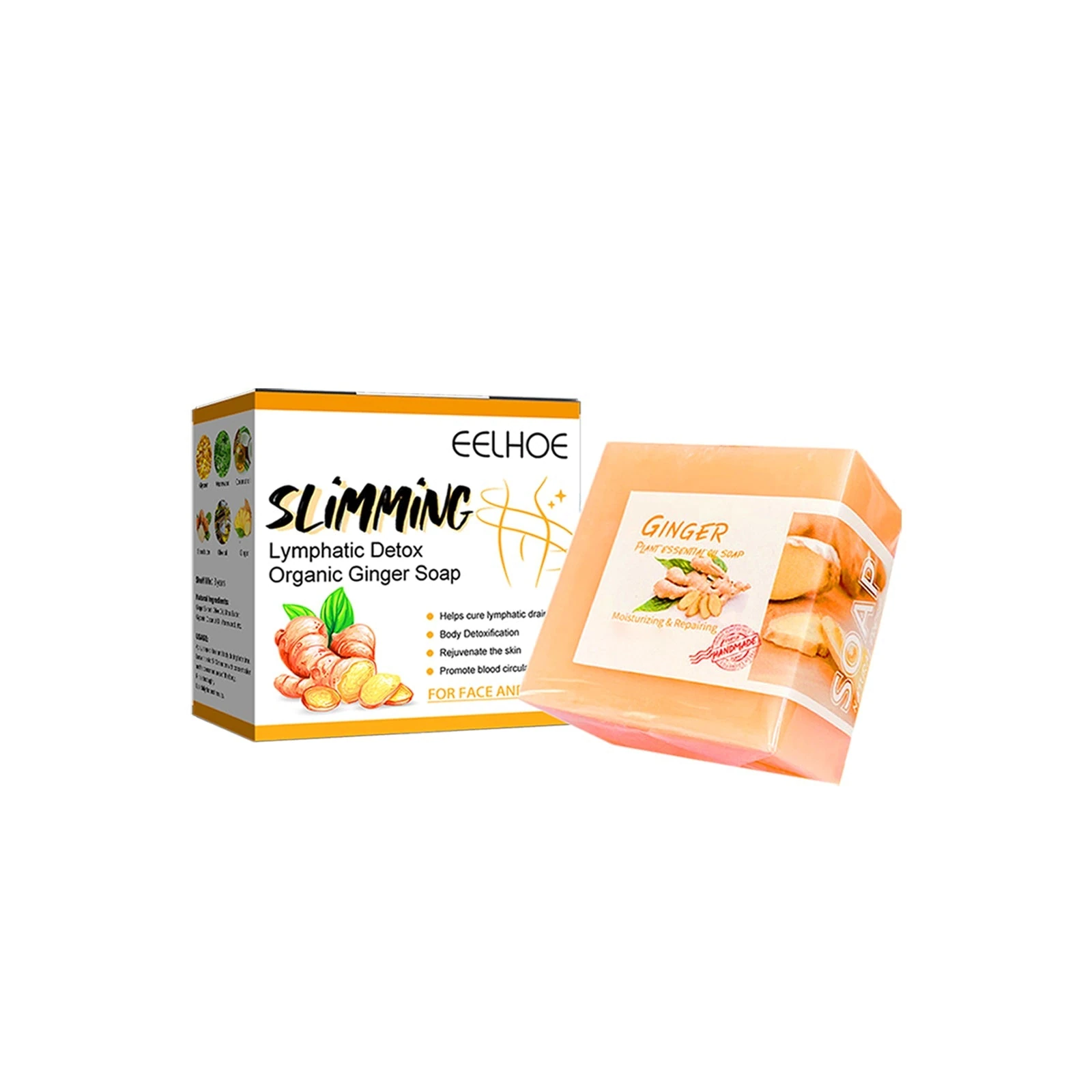
Two different questions often get mixed together: how long soap can be stored, and how long a bar lasts before it is used up. A damp bar that disappears quickly may have a storage problem without being old. A forgotten unopened bar may still need its date and history checked. This guide separates those decisions and uses a current 100g ginger soap listing as a format example. GinGrowth sells that soap; its exact batch expiry is not stated on the product page.
Shelf life is different from the number of showers
Shelf life concerns the period a product remains suitable under the conditions specified by its manufacturer. It depends on the finished formula, packaging and storage. The number of showers concerns consumption: how much soap dissolves or is transferred during use. You cannot calculate the first from the second, and a large bar does not automatically have a longer shelf life than a small one.
If a bar stays wet in a dish, it may soften and wear down faster. That says something about water exposure, not the manufacturing date. If a bar has been stored for a long time, its original package can help identify the product and lot. Losing the wrapper makes that identification harder even when the bar looks ordinary.
Liquid body wash is a different finished formula with its own packaging and instructions. Do not apply an old bar's assumed lifetime to a pump bottle, or assume all liquids and solids age in the same way. Our bar soap versus body wash guide compares the formats; this article focuses on age, condition and replacement decisions.
On a small screen, swipe or scroll the table sideways to compare all columns.
| Situation | What it tells you | Practical action |
|---|---|---|
| Printed expiry or after-opening instruction | Manufacturer guidance for that product | Follow it; clarify ambiguous dates or codes |
| Unopened bar with unknown age | Condition and manufacture date remain uncertain | Retain packaging and ask about the lot |
| Bar softens in a wet dish | Repeated water exposure may be the cause | Improve drainage; assess other changes separately |
| Unusual odor, growth or unexplained change | Possible deterioration or contamination | Stop using; replace or ask the maker |
| Bar still lathers | It can form foam under those conditions | Do not treat foam as proof of safety or shelf life |
How to read dates and package clues
Look for an expiry date, a best-before statement, a manufacturing date, a lot code or an after-opening symbol. They are not all the same thing. A manufacturing date tells you when the item was made; it does not by itself tell you how long the manufacturer considers it suitable. A lot code may require the maker's help to interpret.
An open-jar symbol with a number of months, when present, concerns the period after opening. It should not be converted into a universal unopened shelf life. Similarly, a retailer's purchase date may help reconstruct storage history but is not the production date. Keep a photo of the package if you normally discard the box soon after opening.
Official Great Britain cosmetic-product guidance treats a usage date and a batch identification number as different label information. Its safety-assessment section also lists product stability and microbial contamination as matters requiring evidence. This is a jurisdiction-specific example for cosmetics sold in Great Britain, not a claim that every soap worldwide needs an identical label or that our bar has a particular certified shelf life.
If a date or code is unclear, ask the manufacturer or seller with the exact product name, lot code and a clear package photo. Avoid guessing from an online calculator intended for another brand. A useful question is whether the batch has a stated expiry or after-opening period, and which storage conditions that instruction assumes.
A package-reading checklist for an older bar
The following examples illustrate how to read different kinds of information. They are not dates taken from our current soap. Keep the wording around the code: a string of numbers without “manufactured,” “expiry” or another explanation is easy to misread.
On a small screen, swipe or scroll the table sideways to compare all columns.
| Example wording | What it identifies | What it cannot establish |
|---|---|---|
| Manufactured: [date] | When the product was made | The expiry without the manufacturer’s duration |
| Use before: [date] | The maker’s stated usage deadline | Permission to ignore poor storage or unexpected changes |
| Open-jar symbol: 12M, if applicable | A stated 12-month period after opening | A universal unopened life for all bars |
| Lot: [letters/numbers] | A batch reference for the manufacturer | A date you can decode without the brand’s system |
| Purchased: [date] | When you bought the item | When the batch was manufactured |
For an undecoded batch, a useful message is: “I have [exact product and version], lot [code], purchased [date] and opened [date or unopened]. It has been stored [conditions]. What are this batch’s manufacture date, expiry or after-opening guidance, and storage requirements?” Include a clear label photo. This gives the maker enough context to answer a specific question instead of estimating the lifetime of soap in general.
What changes can indicate deterioration?
Unusual odor, unexpected color changes or a marked change in consistency are reasons to pause. Soap Queen's formulation guidance on shelf life and rancidity distinguishes deterioration of oils and fats from mold or bacterial concerns. It describes how rancidity can affect smell and color. Those are different processes, so one visible sign cannot diagnose every possible problem.
That source is soapmaking and formulation education, published in 2016; it is not stability testing of our EELHOE bar. Its recipe-specific examples and statements about particular soapmaking methods should not be transferred to every commercial cleansing bar. We do not know this product's full manufacturing and stability data from its ingredient highlights alone.
A faded fragrance by itself does not prove dangerous contamination, and an orange-colored botanical bar is not automatically rancid because orange spots can occur in some other soaps. Compare an unexpected change with the product's original appearance and ask for clarification when needed. Suspicious growth, an unpleasant unfamiliar smell or damaged packaging with an unknown history should not be dismissed because the soap still lathers.
Can you use expired soap?
Follow the manufacturer's date rather than treating a blog as permission to extend it. If a product is past a stated expiry and you cannot confirm its suitability, replacing it is the clearer choice. The fact that a bar produces foam does not verify its original quality, fragrance, skin compatibility or any specific performance claim.
Do not try to renew a questionable bar by trimming away a suspicious patch, adding fragrance or mixing it into a fresh batch of liquid wash. Those actions obscure the original product condition and do not establish safety. A damaged or contaminated-looking item should not be tested repeatedly on skin to see whether it causes a reaction.
Products with particular therapeutic or antiseptic claims require their own label instructions. Do not assume an ordinary cosmetic body bar and a product with an active treatment purpose have interchangeable rules. This guide's featured ginger soap is a rinse-off body-cleansing format; it is not presented as a tested substitute for a medicated product.
Store a bar so it can drain between uses
- Keep the product name, date information and lot code or a package photo.
- Use a draining dish away from the direct shower stream.
- Rinse excess foam from the bar and let it dry between uses.
- Clean the dish or travel case and avoid prolonged storage in standing water.
- Check dates and unexpected condition changes before continuing with an older product.
The practical aim is to prevent the bar from sitting in water after every shower. Rinse away excess foam and use a dish that actually drains, not a decorative tray that collects a puddle underneath. Position it where the shower stream will not keep soaking it. Letting a bar dry between uses can improve handling without making an expiry promise.
Travel introduces a separate storage problem. A closed case protects other belongings, but packing a wet bar into it and leaving it there indefinitely prevents drying. Let the bar dry when practical before packing, then reopen the case and drain it after arrival. Clean the case as needed so old residue does not build up around the new bar.
For unopened products, follow their storage instructions and keep the original identification available. Avoid buying a large supply based on a guessed multi-year lifetime. Rotate older stock first only when it remains within the maker's guidance and in acceptable condition. Purchase planning is easier when you know the actual date information rather than assuming soap never changes.
What we can confirm about our ginger soap
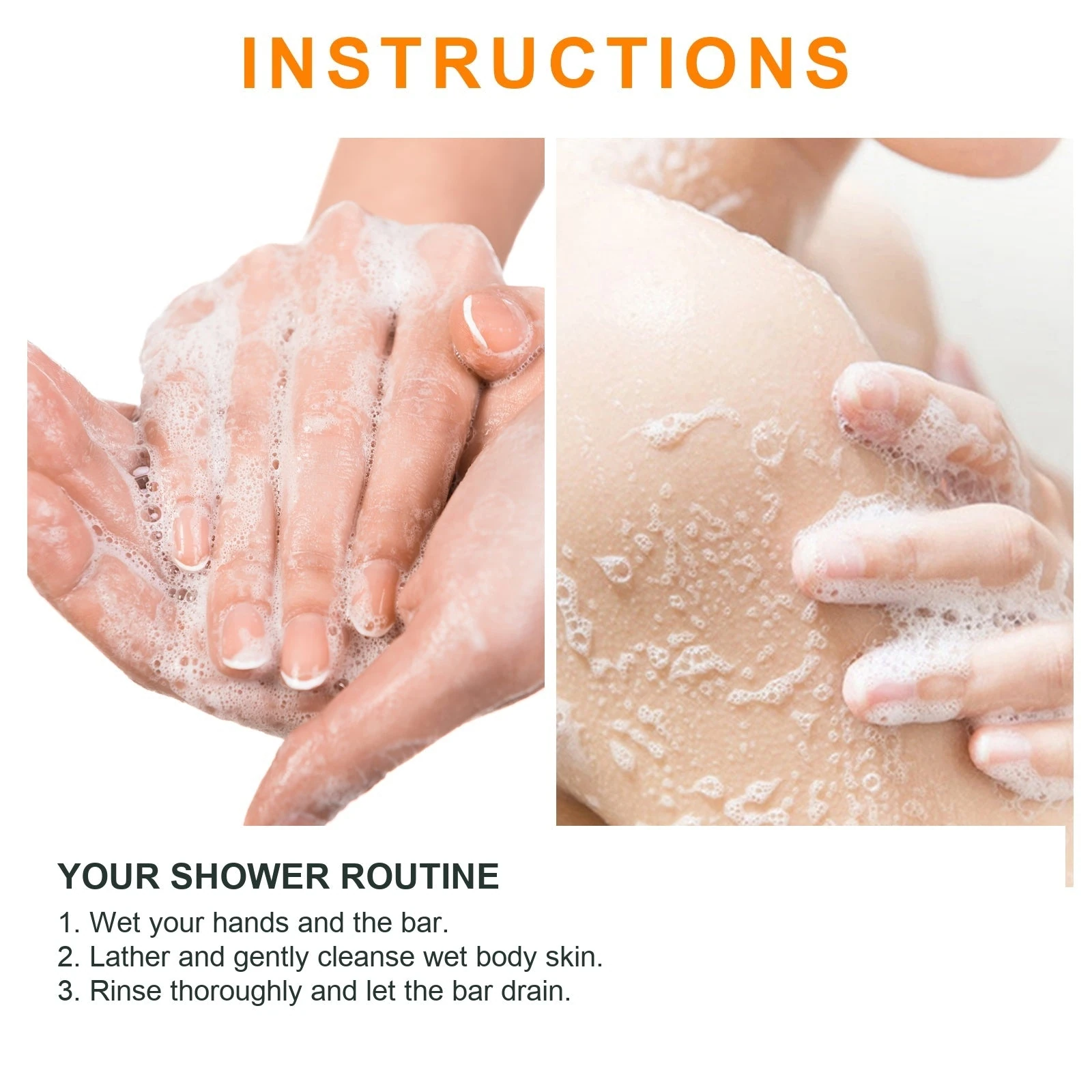
The current EELHOE ginger soap page lists a 100g solid body-cleansing bar, with ginger, olive oil, coconut oil, glycerin, shea butter and wormwood among its ingredient highlights. Its method is to wet hands and the bar, create lather, cleanse wet body skin gently and rinse thoroughly. The page recommends letting the bar drain between showers.
The listing uses Ginger King wording, while the main supplied packaging image includes Slimming wording. Those names should not be used to infer identical batches or a body-slimming effect. If the exact packaged version matters to you, confirm the current stock before ordering. The verified routine role here is rinse-off body cleansing, not a treatment or a promised change in body measurements.
The online page does not state a batch expiry, manufacturing date or verified unopened shelf life. We therefore cannot promise that this bar lasts a set number of years in storage or a set number of showers in use. Before purchasing for long-term storage, ask for the current package date and lot information. That is more useful than borrowing a duration from another soap brand.
Questions about soap age and replacement
Does bar soap expire if it is unopened?
An unopened bar can still age, and the formula and storage conditions matter. Check its manufacturer's date and instructions. Unopened does not mean indefinitely unchanged, and a purchase receipt alone does not establish the manufacturing or expiry date.
How long does bar soap last in the shower?
That depends on the bar, frequency of use, amount used and how much water reaches it between washes. A 100g weight is a quantity, not a fixed wash count. A draining dish helps avoid unnecessary soaking but does not guarantee a particular number of days.
What if soap has a batch code but no expiry date?
A batch code identifies a production lot; it does not automatically encode a readable expiry. Ask the maker to interpret it and confirm the relevant storage and after-opening guidance. Do not calculate an expiry from a purchase date or apply another brand’s batch decoder.
Can I use a bar after its scent fades?
A weaker scent alone does not answer the suitability question. Check the date, overall condition and manufacturer guidance. If the smell has become unpleasant or unusual, or other suspicious changes appear, stop using it instead of relying on foam as reassurance.