
If you are comparing Aveda Scalp Solutions Overnight Renewal Serum, start with the exact bottle and the benefit you want: scalp moisture and comfort, an evening leave-in routine, or treatment for a persistent scalp condition. Those are different decisions. This guide explains the available ingredient evidence, which claims need a current label check, and how to compare separate lightweight moisturizing alternatives.
Reviewed September 30, 2026. The available ingredient source is a user-submitted February 22, 2023 record titled “Scalp Solutions Overnight Recovery Serum.” We have not confirmed that it represents the current Renewal product in every market. This is a source-based buying guide, not a personal product test. GinGrowth sells the separate alternatives below.
What makes this serum different?
The most relevant distinction is scalp-focused care rather than a finishing serum for dry ends. A scalp product needs to reach the skin along a part; a product intended for the lengths may have a different formula, benefit and application method. Check the full range name rather than ordering any Aveda bottle with “overnight serum” on it.
The 2023 INKEEDecoder entry describes its recorded Scalp Solutions product as lightweight and positioned to support the scalp barrier, soothe the scalp and reduce the appearance of redness and dryness. It also describes a soft, supple, nourished feel. These are benefit statements reproduced in that historical third-party record, not outcomes measured by this article or confirmation of a current manufacturer's claim.
That moisture-and-comfort positioning gives you a useful starting point for a comparison. It does not establish that a serum treats dandruff, psoriasis or a cause of hair loss. The difference matters when choosing whether you want an optional cosmetic step or need help with an ongoing condition.
If finish is the main purchase question, choosing a lightweight dry-scalp serum compares lighter moisture with a richer oil feel and practical daily use.
Key ingredients and what the available record shows
The historical entry lists water, propanediol, Centella asiatica extract, Lactobacillus ferment, ectoin, green tea extract, sunflower seed oil, ginger root extract, sodium hyaluronate, caffeine and glycerin, among other ingredients. It is useful for understanding the recorded formula's moisture-focused profile. Compare it against your current package before relying on any ingredient for a purchase decision.
| Recorded ingredients | Cosmetic relevance | What to verify |
|---|---|---|
| Propanediol, glycerin and sodium hyaluronate | Moisture-related ingredient functions described by the source. | Presence in your current bottle; concentrations are not established here. |
| Centella extract, ectoin and Lactobacillus ferment | The source classifies these among soothing ingredients. | Finished-product effects cannot be inferred from an ingredient alone. |
| Sunflower seed oil | An emollient component in the historical list. | Do not characterize the recorded formula as oil-free. |
| Fragrance, limonene, linalool and other fragrance components | Relevant when screening for ingredients you avoid. | A botanical description does not mean fragrance-free. |
The record includes fragrance and named fragrance components. A botanical formula is not automatically fragrance-free or suitable for every reactive scalp. The recorded list does not support carrying forward an unverified tamanu-oil or seaweed formula description for the current product. Nor does Lactobacillus ferment on a label prove that a finished cosmetic contains live probiotic organisms or produces a measured change in the scalp microbiome.
Ingredient functions help explain why a formula might be chosen for moisture or comfort, but they do not reveal concentrations or establish an individual result. An ingredient study, especially one using a different preparation, should not become a clinical claim for the complete serum.
Who should consider this type of scalp care?
A moisture-focused leave-in can be worth comparing when your goal is a more comfortable cosmetic routine and you prefer applying a scalp product in the evening. Consider whether you enjoy a fragranced product, whether the label matches your scalp needs and whether the application method fits your hair density and styling habits.
For fine hair, the amount and placement matter alongside texture. A formula described as light can still leave the roots looking coated if too much is spread through the lengths. For dense hair or curls, parting first helps you reach the intended application area without treating a scalp serum like a conditioner.
Persistent itching, thick scale, painful patches or changing hair loss call for a more specific assessment. The American Academy of Dermatology explains that identifying the cause guides hair-loss treatment. A cosmetic comparison cannot identify that cause, and a dryness-related shopping decision should not be confused with a diagnosis.
COMPARE YOUR MOISTURIZING SCALP-CARE OPTIONS
A lighter essence or a different moisture profile?
These are separate products sold by GinGrowth. Choose them by their documented formula highlights and format, without assuming they reproduce an Aveda formula or study result.
30ml lightweight scalp essence
A fluid, water-based essence with moisturizing glycerin, ginger root oil and Polygonum multiflorum extract highlighted. Compare it when targeted placement and a lighter finish matter. It contains ginger root oil and is not oil-free.
View the lightweight scalp serum and current price →40ml moisturizing ginger tonic
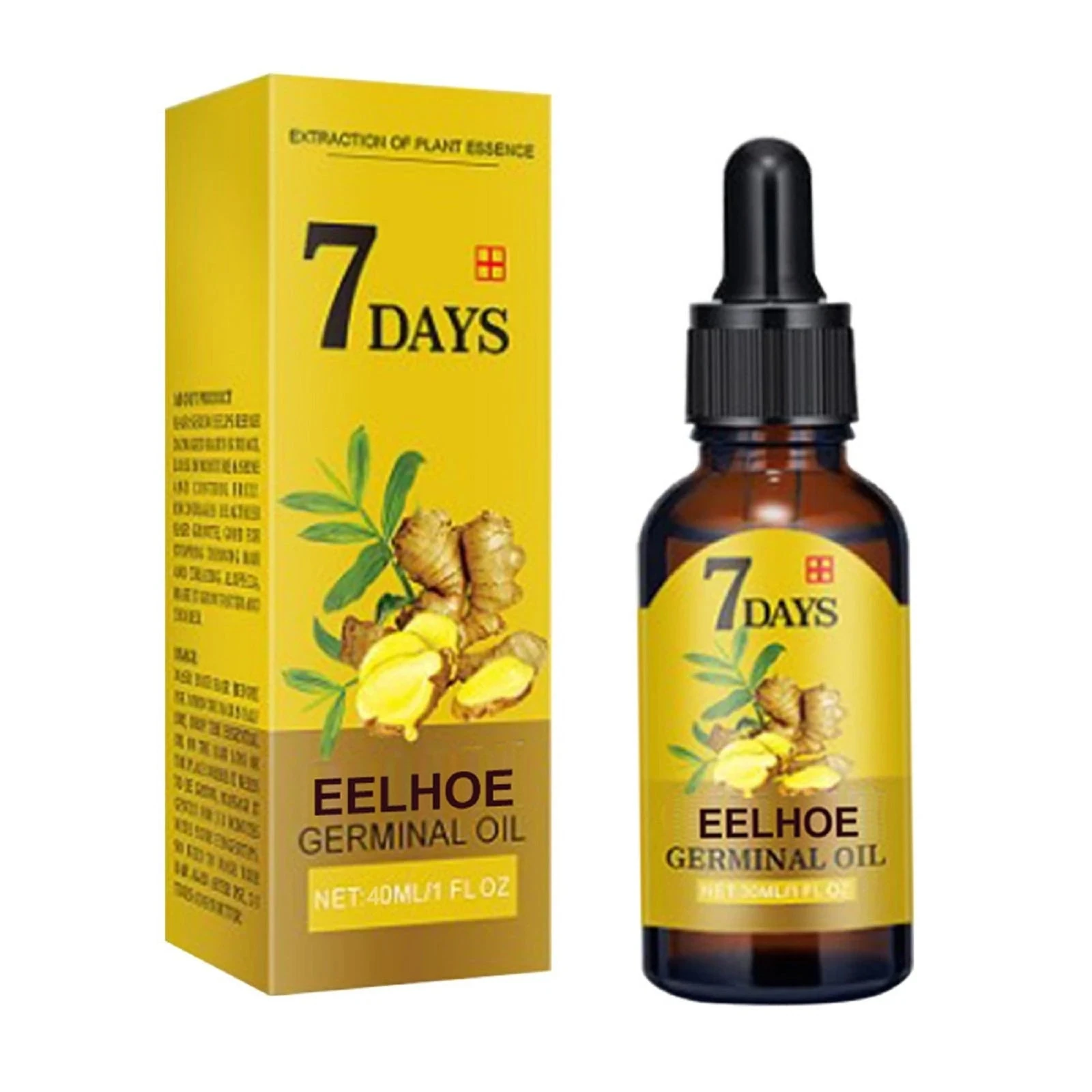
A water-based dropper option highlighting moisture-binding glycerin and sodium PCA, conditioning panthenol and ginger extract. Compare this ingredient profile if a moisturizing and conditioning step is your priority.
Compare the 40ml moisturizing scalp tonic →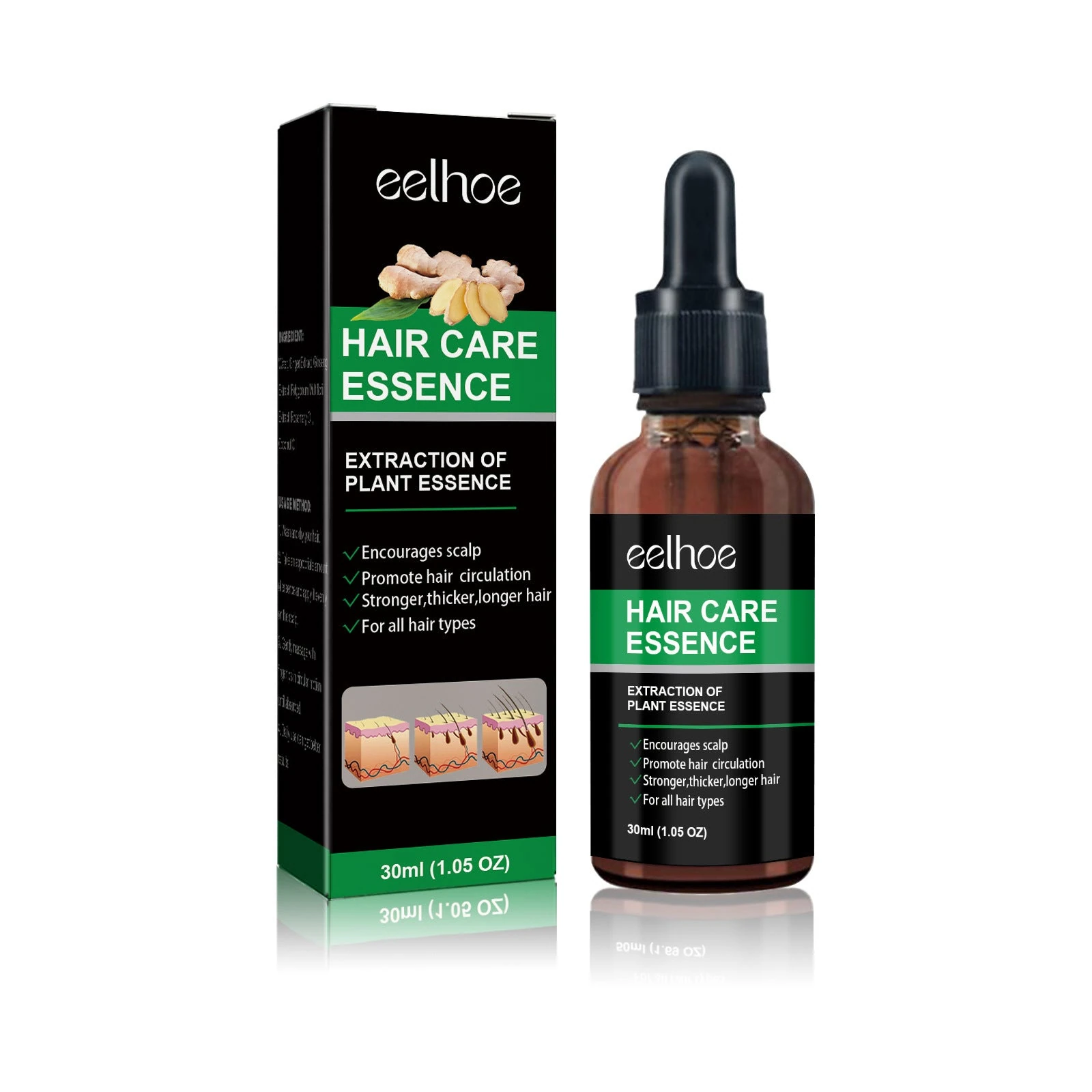
What to check before using your Aveda bottle
Use the instructions supplied with your exact product and market version. The historical ingredient record is not a verified current dosing guide. This article therefore does not prescribe a drop count, a two-to-three-times-weekly schedule, a fixed massage duration or a mandatory morning shampoo for Aveda.
Before your first application, check the intended area, hair condition, frequency and whether the product stays in or rinses out. If the bottle is an import or the instructions are unclear, obtain the matching regional information from the seller. A direction from a different Aveda serum should not be substituted just because the names look similar.
For ordinary scalp cosmetics, parting the hair makes placement easier. Follow the chosen formula's amount and distribution instructions instead of applying more to pursue faster results. Stop a new product if it causes burning, rash or worsening irritation. Ask a clinician or pharmacist about combining it with a topical medicine rather than changing a treatment schedule yourself.
For that overnight product family, the Aveda overnight formula and naming check explains the Recovery-versus-Renewal wording and the dated ingredient evidence.
What to expect: separate comfort, appearance and treatment
Moisturization, scalp comfort and the look of your roots are useful cosmetic outcomes to assess. They are not interchangeable with reduced hair shedding, increased density or treatment of a skin disease. A review becomes more useful when it identifies which change was observed and under what conditions.
| Outcome | Useful observation | Evidence boundary |
|---|---|---|
| Moisture and comfort | How the scalp feels during ordinary use. | A cosmetic experience does not diagnose the cause of discomfort. |
| Root appearance | Residue, styling compatibility and how the hair lies. | A different finish is not a measured increase in hair count. |
| The historical benefit description | Barrier support and a softer, nourished scalp feel are described in the 2023 record. | Not confirmation of the current Renewal formula or a personal result guarantee. |
| Persistent flaking or hair loss | Symptoms and changes discussed with an appropriate professional. | No disease-treatment outcome established by the historical cosmetic record. |
There is no verified current finished-product results timeline in the source set used for this article. A claim that most users improve in one to two weeks, or that flaking improves in three to four weeks, would require its own product-specific evidence. Instead, follow the label and observe comfort, residue and whether the routine is practical. Do not keep using an irritating product simply to complete a suggested review period.
How to compare it with other scalp-care options
Start with the benefit you need before comparing names or prices. A moisturizer, a clarifying wash and a treatment for a diagnosed condition solve different problems. A product that is convenient at bedtime does not replace every other part of a routine.
| Option | Information used here | Reason to compare |
|---|---|---|
| Aveda Overnight Renewal candidate | Historical third-party Recovery record; current version needs a label check. | Interest in that exact branded scalp-care product. |
| GinGrowth 30ml essence | Current listing: water-based, glycerin, ginger root oil, dropper. | A lighter moisturizing cosmetic step. |
| GinGrowth 40ml tonic | Current listing: ginger extract, glycerin, sodium PCA and panthenol. | A different moisturizing and conditioning profile. |
| Treatment for a diagnosed condition | Diagnosis and treatment-specific instructions. | A persistent medical concern rather than a cosmetic preference. |
If your main goal is a fluid moisturizing scalp step, review the 30ml essence's current ingredients and directions. If you want a different humectant combination, compare the 40ml tonic. These are concrete differences in cosmetic care; no head-to-head study establishes an equivalent result to the Aveda product.
Common mistakes and how to avoid them
Confusing similarly named products. “Recovery” in a third-party record and “Renewal” in a product name should prompt a label check, not an automatic assumption that every detail transfers. Likewise, a serum for lengths should not be described as scalp care without matching directions.
Choosing by a single ingredient. Glycerin, ectoin or a ferment can explain a formula's cosmetic interests, but the full product and your tolerance matter. A short ingredient highlight is not a complete list.
Expecting more product to deliver more benefit. Excess can make a routine harder to manage. Follow the current amount and frequency instead of escalating use because the product is described as nourishing.
Calling every flake dryness. Persistent flaking has different possible causes. Avoid repeatedly switching between fragranced cosmetics when a condition needs assessment.
Is it worth the investment?
The value question is whether the exact product meets your goal at its current price. Verify bottle size, local price and directions before comparing cost. A fixed international price or assumed number of applications per bottle can mislead when markets and usage amounts differ.
If you value a particular Aveda product and its fragrance experience, confirm the current label and buy that product intentionally. If your priority is simply a lighter moisturizing scalp format, compare the documented essence and tonic options. A lower or higher price alone does not establish superior efficacy.
Where it fits in a scalp-care routine
Keep scalp cleansing, hair-length conditioning and an optional leave-in as separate jobs. Choose a wash routine around your needs rather than adding a compulsory weekly scrub or changing shampoo frequency to fit a serum article. A scalp serum should not replace the conditioning your lengths need.
Introduce one cosmetic at a time so that you can identify its feel and tolerance. For basic placement on an ordinary care day, see our scalp serum application guide. If your main interest is the Invati range instead, the Invati Ultra Advanced buying guide explains the separate product-identity and evidence questions.
Frequently asked questions
Does this guide confirm the current Aveda formula?
No. The ingredient source is a user-submitted 2023 record titled Overnight Recovery Serum. It provides historical context; check the current Renewal package for the formula you will buy.
Are the moisture and soothing benefits still relevant?
The historical record describes scalp barrier support, comfort and reduced appearance of dryness and redness, and lists moisture-related ingredients. Those attributed statements remain useful context, but do not establish a guaranteed result or a current clinical claim.
How often should I use it?
Follow the frequency on your current Aveda bottle. The evidence reviewed here does not verify a present-day schedule, so it would be inappropriate to invent one.
Will it treat dandruff or hair loss?
The historical cosmetic description is not proof of treatment for those conditions. Persistent symptoms or changing hair loss need a product choice or assessment suited to their cause.
Is the 30ml ginger essence the same product?
No. It is a separate GinGrowth option with its own formula, size and directions. Compare its lightweight format and moisturizing glycerin without assuming Aveda-equivalent results.
Choose by the goal and the bottle you can verify
For an Aveda purchase, match the complete name and current label first. For a broader moisturizing scalp-care comparison, look at format, ingredients and routine fit. That produces a more useful decision than treating every overnight or botanical serum as interchangeable.
Explore a lighter moisturizing scalp step
Compare the 30ml essence's fluid format, glycerin and targeted dropper application.
View the 30ml lightweight scalp serum →Sources: INKEEDecoder user-submitted record dated February 22, 2023, accessed September 30, 2026; AAD diagnosis and treatment guidance; current linked GinGrowth product listings. The historical ingredient site and AAD do not endorse the commercial alternatives.