
Shower gel and body wash are overlapping names for liquid, rinse-off body cleansers. Shower gel often describes a gel-like texture, while body wash is a broader label that can include gel, cream or other liquid textures. The names alone do not prove that one product cleans better, is more moisturizing or is gentler. Compare the actual formula, directions and format before choosing.
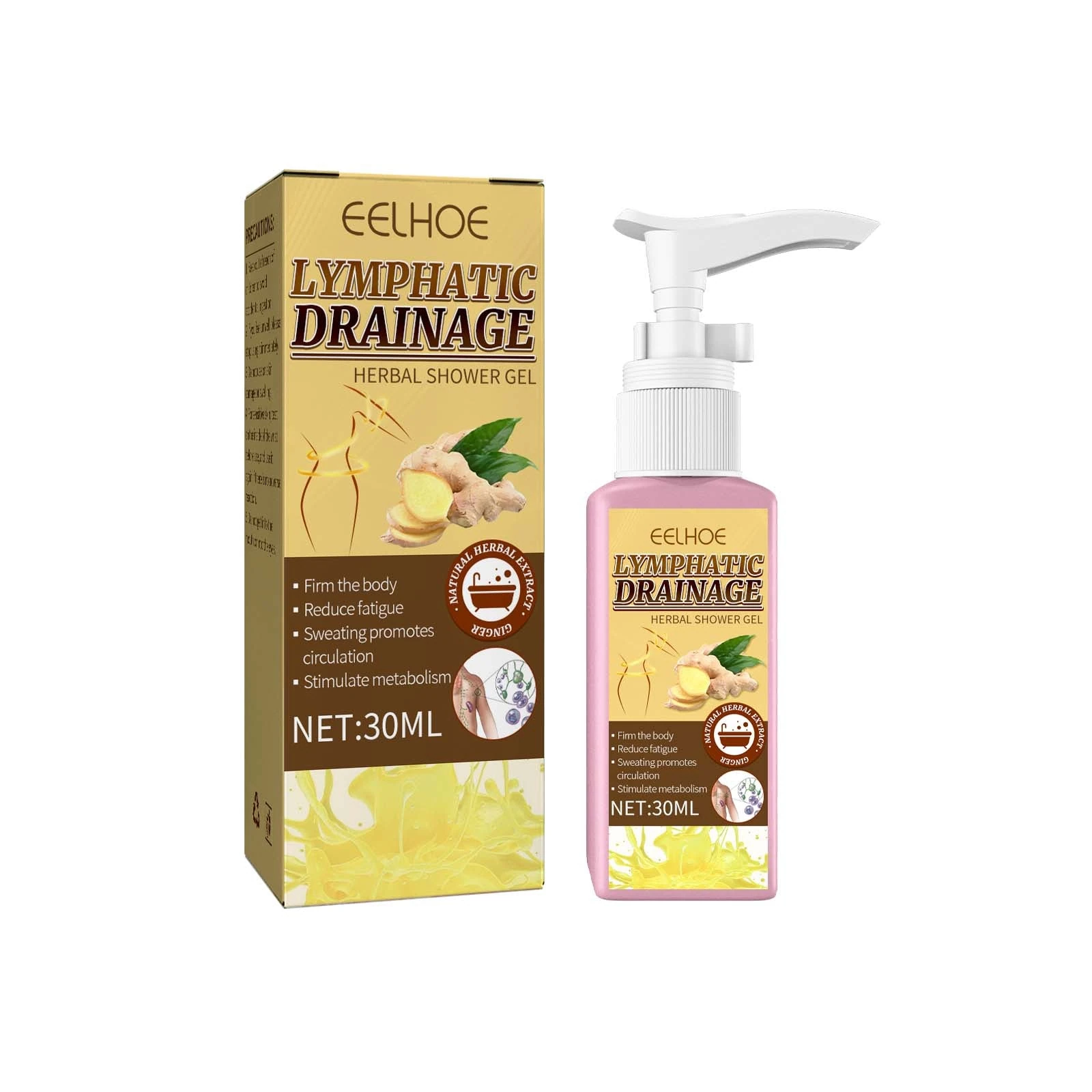
The useful decision is about your shower: what you want to wash, how you dispense the product, how skin feels afterward and whether the bottle fits home or travel use. This guide gives you a label-reading comparison and a simple routine. GinGrowth sells the compact ginger shower gel shown as an example; it is a specific 30ml option, not evidence that all products called shower gel behave alike.
The difference between body wash and shower gel
In ordinary shopping language, shower gel points toward a liquid gel format, while body wash describes the cleansing job. Retailers may use both terms for the same item. You may also find a creamy product called body wash and a clear product called shower gel, but that pattern is not a reliable formula standard. Check the individual bottle rather than assuming the category settles the choice.
Neither name tells you the complete surfactant system, fragrance content, pH or amount of moisturizing ingredients. A botanical name on the front also does not answer those questions. If you specifically need a fragrance-free product or have a known ingredient sensitivity, use the full ingredient information and appropriate label claims rather than choosing by “gel” versus “wash.”
A product described as moisturizing is still usually a cleanser that you rinse away when that is what its directions say. It is not automatically a substitute for a separate leave-on body cream. Keeping cleansing and moisturizing roles clear prevents the common mistake of leaving a rinse-off product on skin in the hope of gaining extra benefits.
On a small screen, swipe or scroll the table sideways to compare all columns.
| Comparison point | Shower gel | Body wash |
|---|---|---|
| Name and texture | Often used for a gel-like liquid | Broader liquid-cleanser label; may also be gel |
| Basic routine | Usually wet skin, lather and rinse | Usually wet skin, lather and rinse |
| Gentleness or moisture | Cannot be established from the name | Cannot be established from the name |
| Ingredients to check | Full formula and any known sensitivities | Full formula and any known sensitivities |
| Practical buying decision | Size, dispenser and specific directions | Size, dispenser and specific directions |
Compare these five things on the bottle
First, check the intended area. A body cleanser is not automatically a facial cleanser or a shampoo. Second, confirm the method: apply to wet skin, lather and rinse, or follow any different instructions the manufacturer gives. Third, review the ingredients that matter to you, including fragrance if you know it causes problems.
Fourth, look at the dispenser. A pump may make it convenient to dispense into a hand, while a squeeze bottle offers a different kind of control. Neither provides a universal dose. Pump sizes vary, and a full press on one bottle can produce more than a full press on another. Begin with the label’s instructions and adjust for the coverage you actually need.
Fifth, compare net contents and how you will use them. A compact bottle can suit a gym bag or a short stay, while a larger bottle may be more practical beside a shared household shower. Compare cost using the actual listed size rather than the apparent height of packaging. Keep the size decision separate from claims about cleansing power.
What matters if your skin feels dry after showering
Do not assume a product called body wash will be gentle just because the alternative is called gel. Formula and technique both matter. The American Academy of Dermatology’s dry-skin guidance recommends a gentle cleanser, enough to remove dirt and oil without a thick lather, and use where needed. It also recommends short, warm showers and applying moisturizer while skin is still damp.
That advice is specifically useful for dry skin; it does not rank every commercial wash. A very hot, long shower and vigorous rubbing can leave skin uncomfortable regardless of the word on the bottle. If you switch products but keep those habits, you may not learn whether the formula change helped. Adjust the routine as well as the label choice.
For dry or sensitive skin, the AAD recommends fragrance-free products. A ginger or other botanical highlight does not establish that a wash is fragrance-free. If this is a requirement for you, verify the actual formula and label rather than relying on the ingredient pictured most prominently on the front. Seek advice if dryness, cracking or itching persists.
A straightforward liquid body-wash routine
- Confirm the wash is intended for body skin and read its directions.
- Wet the intended areas with comfortably warm water.
- Dispense a small amount and spread gently, without chasing thick foam.
- Rinse completely and pat dry instead of rubbing hard.
- Apply a separate moisturizer when needed; secure the bottle before packing.
Use your hands or an appropriate clean washing accessory according to your preferences and the product’s directions. A rough scrubber is not needed simply because a cleanser has a gel texture. If you use a cloth, rinse it and let it dry properly between uses. Adding friction should be a separate decision, not an automatic way to make every wash feel stronger.
Rinse the lather completely before applying leave-on products. If you want an exfoliating step, do not mistake ordinary foam for a scrub or add abrasive rubbing without considering your skin. Likewise, if you want a long massage, choose a product intended for that task after the shower. Leaving shower gel on for longer does not turn it into body lotion or massage oil.
For a comparison that includes solid formats, see our guide to bar soap versus body wash. That is a separate format choice. The comparison here stays focused on two liquid-cleanser names and how to read the facts behind them.
Where our compact ginger shower gel fits
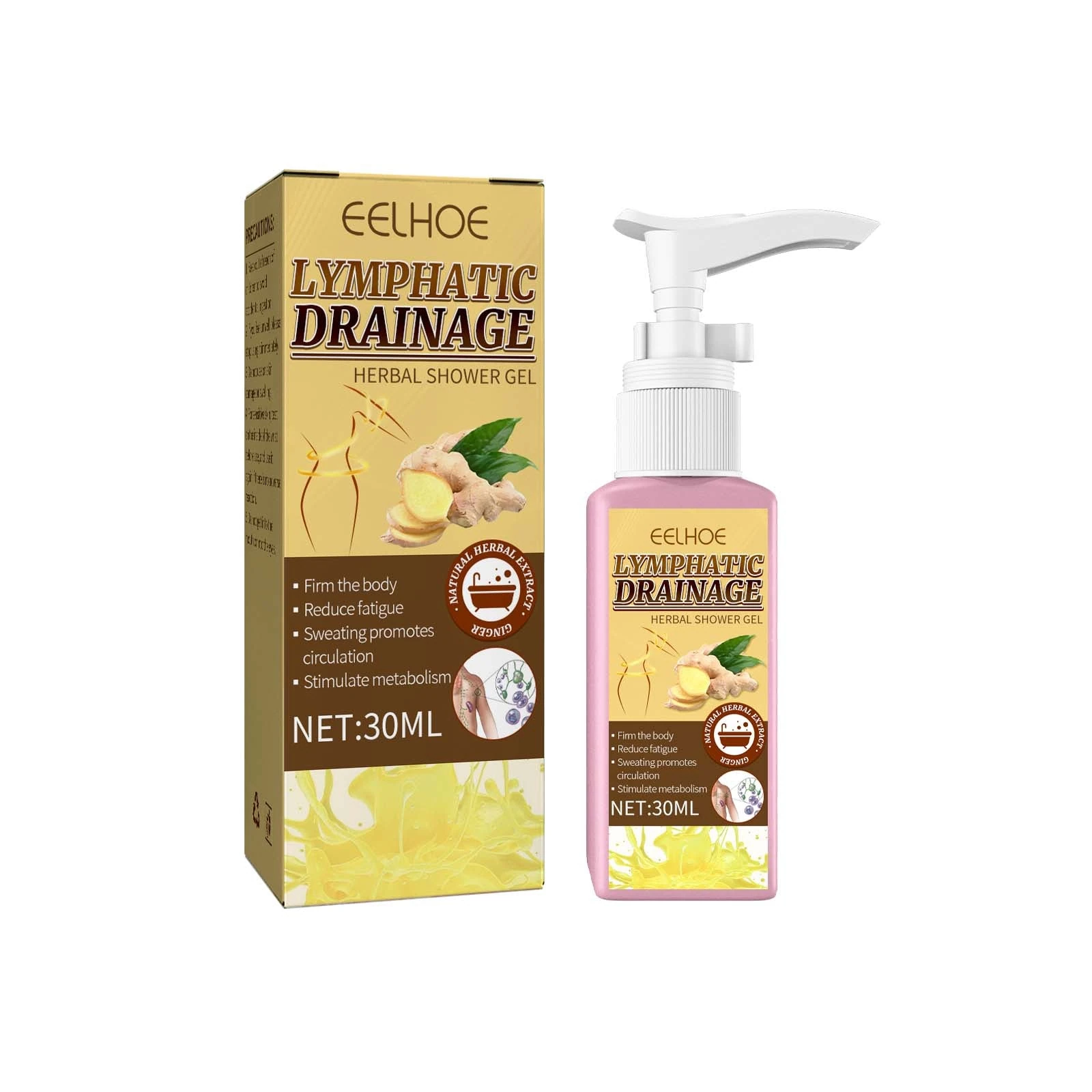
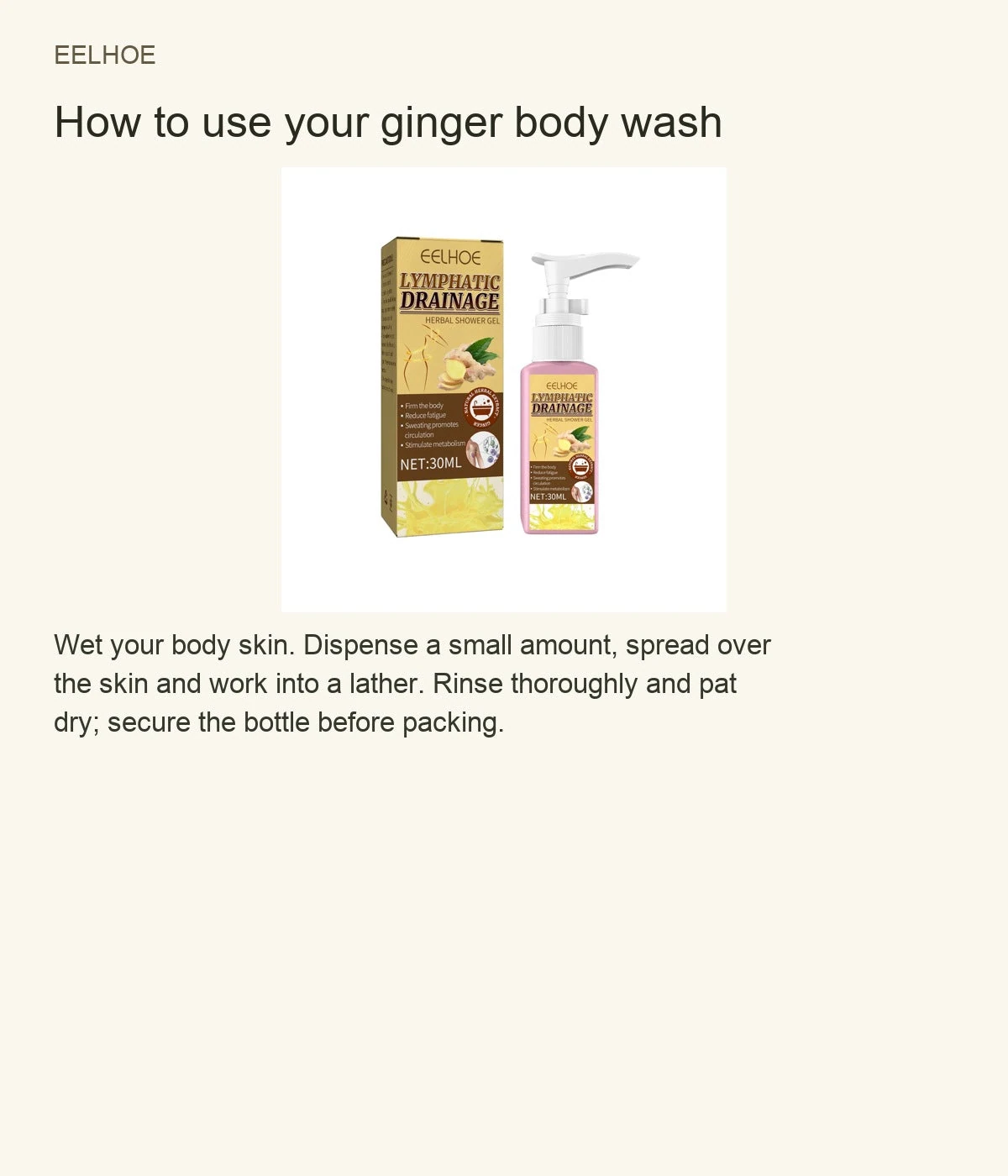
EELHOE ginger shower gel comes in a pink 30ml pump bottle. The current product page also describes it as travel size body wash because its job is cleansing wet body skin with lather and a thorough rinse. Ginger is the botanical highlight. The small capacity is the clearest reason to choose this version for a compact wash bag.
Use it when carrying a smaller amount matters more than having a full-size household supply. The current directions are to wet skin, dispense a small amount into the hands, spread and lather gently, rinse and pat dry. A separate moisturizer can follow if desired. The bottle is not described as a leave-on treatment.
The packaging uses the name Lymphatic Drainage Herbal Shower Gel. That name does not establish a tested drainage effect, a change in body measurements or a weight-loss outcome. For this comparison, choose it on the verified features: the 30ml size, pump format, ginger highlight and rinse-off cleansing directions. Those are enough to make an informed format decision without borrowing claims from the pack name.
Packing the bottle without assuming features
A small bottle still needs sensible packing. Secure the closure and protect the pump in a sealed toiletry pouch. No leakproof or refillable feature is specified for this listing, so do not rely on either. A compact size makes it easier to fit in a bag; it does not guarantee that a pump cannot be pressed during travel.
There is also no verified fixed number of showers per bottle. Someone using a small portion on a short gym visit may dispense differently from someone taking a full evening shower. The 30ml capacity is a real quantity, while a wash-count estimate would need actual usage measurements. Plan around your own habits and trip length rather than an invented number.
If you are flying, check the applicable airport and carrier liquid rules. This page does not promise approval for every route or screening process. For home use, consider whether repeatedly replacing a very small bottle fits your routine. Compact packaging is a practical advantage in some situations and a limitation in others.
Questions about body wash vs shower gel
Is shower gel the same as body wash?
They often overlap as liquid body cleansers, and a listing may use both names. That does not mean every formula is identical. Compare ingredients, intended use, directions and size rather than treating the wording as a complete specification.
Is shower gel stronger than body wash?
The name alone cannot establish cleansing strength or how skin will feel afterward. A gel texture is not a clinical measure of harshness. Choose a suitable formula and use gentle washing technique, especially when skin is dry or reactive.
Can I use either product on my face?
Only if that specific product is intended for facial use. The featured ginger shower gel is presented as a body cleanser. A separate facial cleanser has its own directions, especially around the eyes and other sensitive areas.
Does more lather mean a better clean?
Not necessarily. Thick foam is not a reliable measure of whether you removed the dirt and oil you needed to remove. Use the product correctly and rinse thoroughly; do not keep adding cleanser just to increase foam volume.